

What is Underpronation?
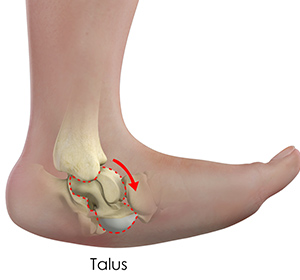
Underpronation, also referred to as supination, is a foot condition defined by insufficient inward rolling of the foot that occurs during ground contact.
In a healthy gait, there is a slight inward rolling of the foot. Supination or underpronation occurs when the ankle does not roll inward very far (less than 15 per cent) when landing or pushing off, causing outward rolling of the foot and adding pressure on the toes and ankle. Left untreated, underpronation can lead to severe pain, damage, and injury to the tissues in the feet.
Causes of Underpronation
Underpronation is basically caused by a foot positioning problem during walking or running. It may be caused by certain muscle weakness in your calves, ankles, or feet as a result of improper gait, ill-fitting running shoes, or previous injuries or may also be due to having a naturally high-arching foot. Most commonly, athletes and people who play sports are prone to suffer from underpronation.
Who is at Risk for Underpronation?
Risk factors for underpronation include:
- Individuals who wear unsupportive shoes
- People with a leg or foot injury that changes their gait pattern (e.g., shin splints, hammertoes, or knee injuries)
- People who have a tight Achilles tendon (e.g., individuals who participate in high-impact sports that place strain and wear on the Achilles tendon)
- People with high arches
Symptoms of Underpronation
The most common symptoms of underpronation are pain through the ball and arch of the foot as the ligaments and muscles in the foot (especially the arch) are strained by the abnormal gait. In some instances, underpronation can also cause knee pain and back pain. Many individuals with underpronation develop bunions or calluses on the pinky toe side of the foot, as too much pressure is placed on this side of the foot. As a result of the feet’s abnormal mechanics, stability can become impaired, resulting in rolled ankles, more falls, or sprains.
Risks of Underpronation
Individuals with underpronation are at increased risk of a number of different painful conditions, such as:
- Plantar fasciitis: The plantar fascia is a long, thin ligament present along the bottom of the foot that creates the arch of the foot. It extends from the heel bone, and then splits and fans out to attach itself to the toes. Plantar fasciitis is a condition where the plantar fascia becomes inflamed from overstretching or overuse, causing pain in the heel and bottom of the foot.
- Hammertoe: A hammertoe is a deformity of a lesser toe (second through fifth toes), where the toe gets bent upward at the toe’s middle joint, resembling a hammer. The bent portion may rub against a shoe causing pain, irritation, and development of corns.
- Bunions: A bunion is a bony protuberance that appears on the external surface of the big toe when it angles toward the adjacent toe.
- Heel spurs: The heel is made up of the calcaneus bone and supported by a network of muscles, tendons, ligaments, and soft tissues, which together support the weight of the body and stress during movement. A heel spur is a bony protrusion on the underside of the heel bone, developing when overuse or injury causes the plantar fascia to pull away from the heel bone.
- Rolled Ankles, Sprains, or Other Injuries from a Fall: As underpronation creates a less stable gait, individuals who underpronate are at greater risk for falls and other injuries that may occur when the foot rolls too far outward and destabilises the body during movement.
Treatment for Underpronation
Some of the ways underpronation can be treated effectively include:
- Warming Up and Cooling Down Correctly: Always ensure to properly warm up and cool down during exercise. Many athletes and individuals forget this basic step, which is extremely important. The sudden action of flexing and stretching the stiff tendons and muscles suddenly after a long period of inactivity (even a few hours) can result in wear and tear, micro-injuries, and gait problems.
- Physical Therapy: Maintaining the tissues in the calves, plantar fascia, and feet to be flexible and strong by stretching on a regular basis can assist the ligaments and muscles in your legs and feet to work together more effectively while you run or walk. In addition, physical therapy exercises help to strengthen the muscles and avoid any future wear and tear of the ligaments of the foot.
- Stabilising Your Gait with Orthotics: An orthotic device, such as insoles or heel seats, can also be a valuable tool in healing overpronation and averting cases of heel pain that may develop from underpronation. Heel seats offer structural support that may be absent from the arch (specifically in people with high arches), to normalise and stabilise the gait. In addition, orthotic inserts like insoles or heel seats take pressure off heel spurs that may have formed and cushion a thin and painful heel pad that has worsened from plantar fasciitis.
- Supportive Shoes: Individuals who run and exercise often should always have a supportive pair of shoes that offer enough cushioning to prevent underpronation injuries. The shoes should be such that they are comfortable, fit properly, and offer enough stability while carrying out a physical activity such as running.